1 The Story
The Oracle of Omaha
Warren Buffett (born 1930 in Omaha) studied under Benjamin Graham at Columbia, absorbed his 'margin of safety' discipline, and in 1965 took control of a struggling textile firm — Berkshire Hathaway — which he transformed into a vast holding company.1
Over the following decades he compiled one of the greatest investment records ever, became one of the world's wealthiest people, and shared his thinking in Berkshire's widely read annual shareholder letters — earning the nickname the 'Oracle of Omaha.'1
2 The Big Idea
Buy wonderful businesses at fair prices — and hold
Think like a part-owner of a great business, not a renter of a ticker.
Buffett evolved Graham's deep-value approach — with Charlie Munger and Philip Fisher's influence — toward buying high-quality businesses with durable competitive advantages ('moats') and holding them for the long term, strictly within his 'circle of competence.'1
3 The Method
The Buffett approach
Circle of competence
Only invest in businesses you can genuinely understand. If you can't explain it, don't own it.
Economic moats
Favour companies with durable competitive advantages that protect their profits for years.
Margin of safety
Buy at a sensible price relative to value — Graham's lesson, never abandoned.
Own for the long term
Let compounding work; the ideal holding period, he quips, is forever.
4 Try It Today
Test the idea for yourself
A no-risk exercise
Take a company you truly understand. Ask Buffett's questions: does it have a durable advantage (a moat)? Could you happily own it for ten years? Is the price sensible versus the value? The discipline of answering honestly — and passing when you can't — is the whole method.
5 In Their Words
Warren Buffett, quoted
"It's far better to buy a wonderful company at a fair price than a fair company at a wonderful price."— Warren Buffett, Berkshire Hathaway shareholder letter1
6 The Books & Their Big Ideas
What they wrote — and what to take from it
7 Watch & Read
Go deeper
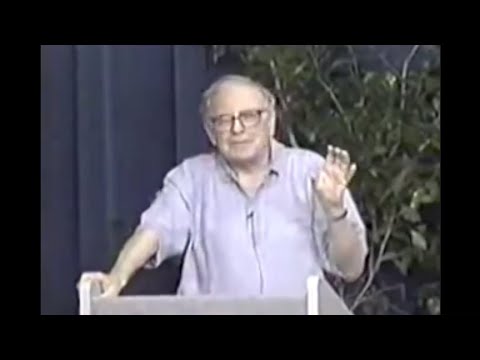
- TRADERBenjamin Graham — his teacher.
- CONCEPTFundamental Analysis Basics
- BOOKThe Intelligent Investor (Graham) & the Berkshire letters
§ Sources
- "Warren Buffett," Wikipedia — en.wikipedia.org/wiki/Warren_Buffett